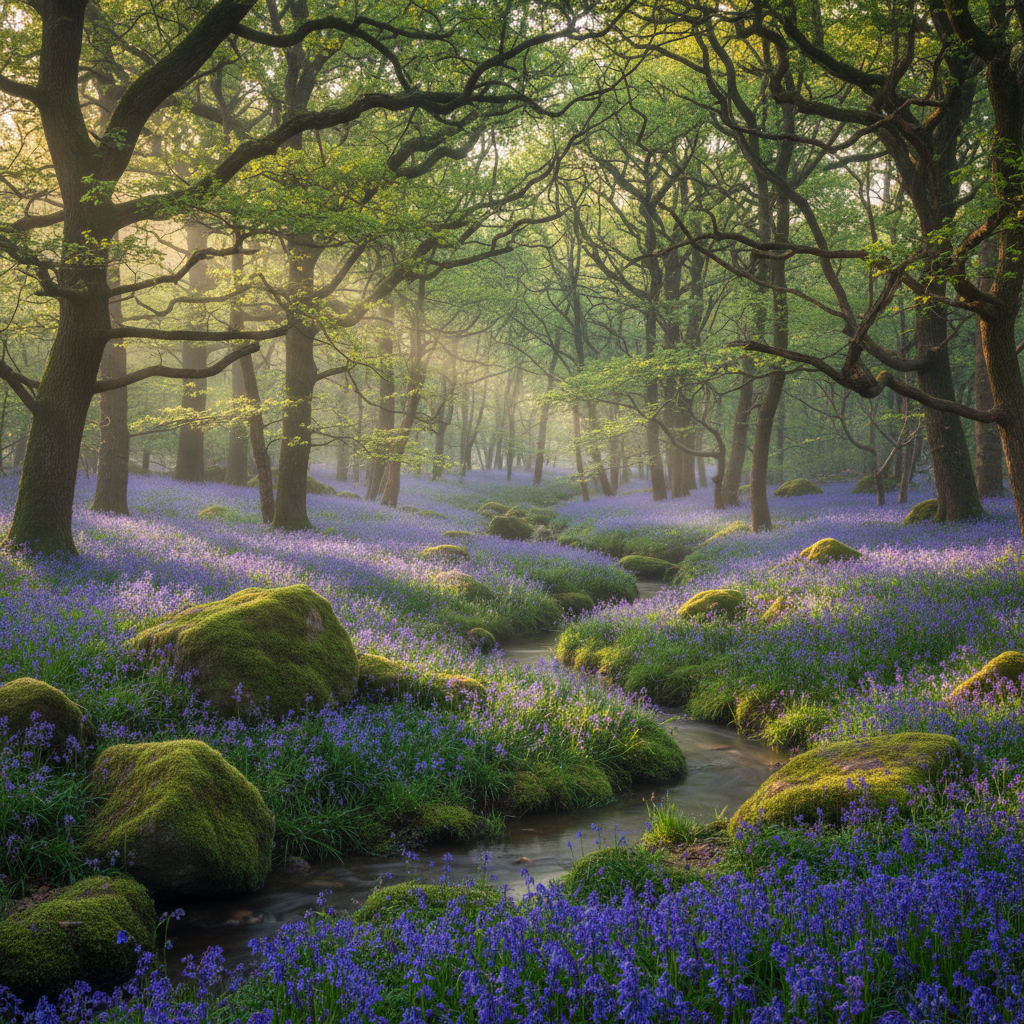
Kent’s Stour Valley is often overlooked by tourists keen on the more popular coastal spots of the Garden of England. Yet, the valley presents a modest landscape, where history and everyday life intersect in a manner that is both refreshing and grounding. This region, shaped by the River Stour as it winds towards the North Sea, is characterized by its gently rolling hills, patchwork fields, and quiet villages that reveal a way of life that feels distinctly British.
Historically, the Stour Valley has long been a route of consequence for transport, trade, and agriculture. It is dotted with remnants of its past — from ancient churches to charming mills that reflect the industrious spirit of its inhabitants. For example, the village of Chilham features an impressive medieval square, where the architecture tells stories of centuries gone by. Visiting Chilham Castle, primarily an Elizabethan structure built in the late 16th century over a 12th-century fortification, can offer a glimpse into the area's layered history and the evolving nature of British society.
Local Highlights
As you travel along the A252, you’ll encounter various spots worthy of a pause. The small village of Wye is home to the Wye Crown, an iconic chalk figure carved into the hillside that overlooks the affluent orchards and farmland of the valley. It’s worth the short walk up the hill from the village — the path is straightforward but can be muddy after rain. The view from up there gives you a sense of the layout of the valley.
There are also numerous footpaths winding their way through varied landscapes, from riverside walks to wooded trails. The Stour Valley Walk is a particularly popular route, stretching for about 42 miles alongside the river, offering an intimate look at the local ecosystem and its agricultural backdrop. Parts of the walk can be challenging with uneven terrain, so sturdy footwear is recommended.
Practical Recommendations
Parking can be found in dedicated areas in most villages, though they can fill up quickly on weekends, especially during the summer months. Early mornings or late afternoons are quieter times to visit if you are looking for a more solitary experience. Public transport is available, with regular train services from London to Ashford International, but do check the current schedules as rural bus links may be less predictable.
Local businesses contribute to the fabric of the Stour Valley. The village of Egerton offers the Egerton Forstal Wine Estate, where you can sample some local wines. The tasting room, usually open from midday to 5 PM, has limited hours, so it’s wise to call ahead or check their website for current availability. Similarly, the Green Farm Café in Godmersham provides a laid-back dining option with local produce featured on the menu; it's a good stop after a long walk.
Walking Routes and Visits
Taking a stroll around the village of Ashford gives you a mix of history and beauty. The Victorian St Mary the Virgin Church, with its historic clock tower, is a notable landmark. The surrounding park area presents opportunities for a relaxed wander amidst mature trees and picturesque flowerbeds. If you’re keen on a longer hike, the path from Ashford to Canterbury is manageable by foot, particularly strolling through the silent fields of barley and hop gardens. The landscape changes with the seasons, giving a different feel throughout the year — bursting with greens in the spring and harvest golds in the autumn.
Culinary Experience
Kennington, on the outskirts of Ashford, is home to Some Old Days, a standard English pub where the menu consists of hearty fare like fish and chips or Sunday roasts. The decor feels unpretentious, resonating with the typical atmosphere of a local pub. Don't expect gourmet — it’s about substantial meals that warm you after a day spent outdoors. Make sure to check the opening times, as these can vary, especially post-pandemic.
If you’re leaning towards a lighter fare, there are several farm shops around this region that offer freshly made quiches and salads ideal for picnics. One well-regarded shop is the Sissinghurst Castle Farm Shop, which is part of the National Trust property and tends to stock local produce, along with baked goods that you can enjoy in the gardens.
Seasonal Atmosphere
The weather in the Stour Valley can be unpredictable. While summer brings life and vibrance, it is also prone to sudden showers that can turn a sunny day into a muddy venture. On the other hand, autumn presents a quieter atmosphere with falling leaves creating a tapestry of colours across the fields. The winter months tend to be stark, offering a different form of beauty as the landscape reveals its structures, covered with frost or mist — an interesting time for photography enthusiasts.
Closing Reflection
Ultimately, the Stour Valley presents an unhurried slice of the British countryside, free from the crowds that often characterize more well-trodden places. There’s a sense of openness and a nod to the past in its tranquil rhythms — yet it feels very much alive with the presence of local life. It’s these weaving threads of nature, history, and community that draw visitors back time and again. As you navigate its winding paths and embrace local offerings, you may find that the imperfections of the landscape provide a deeper connection to what it means to experience rural England in an authentic way.