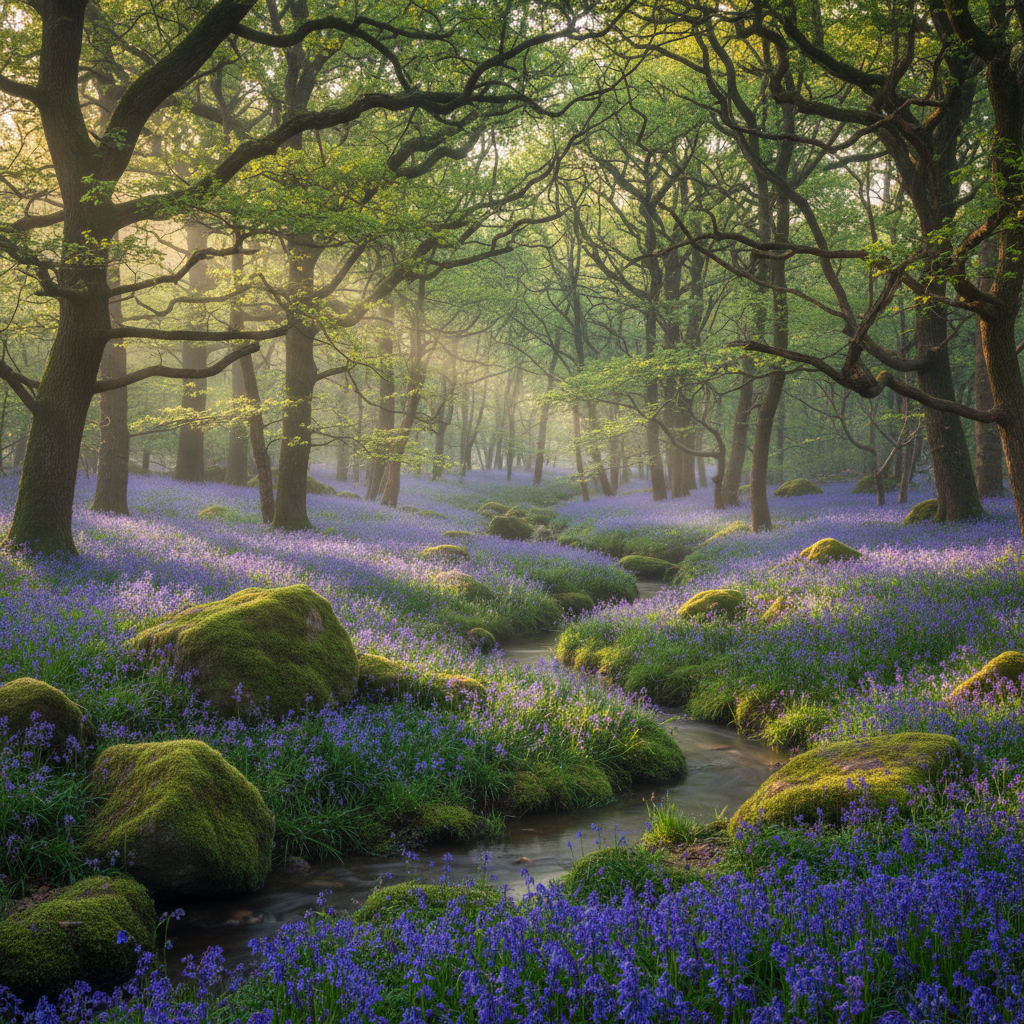
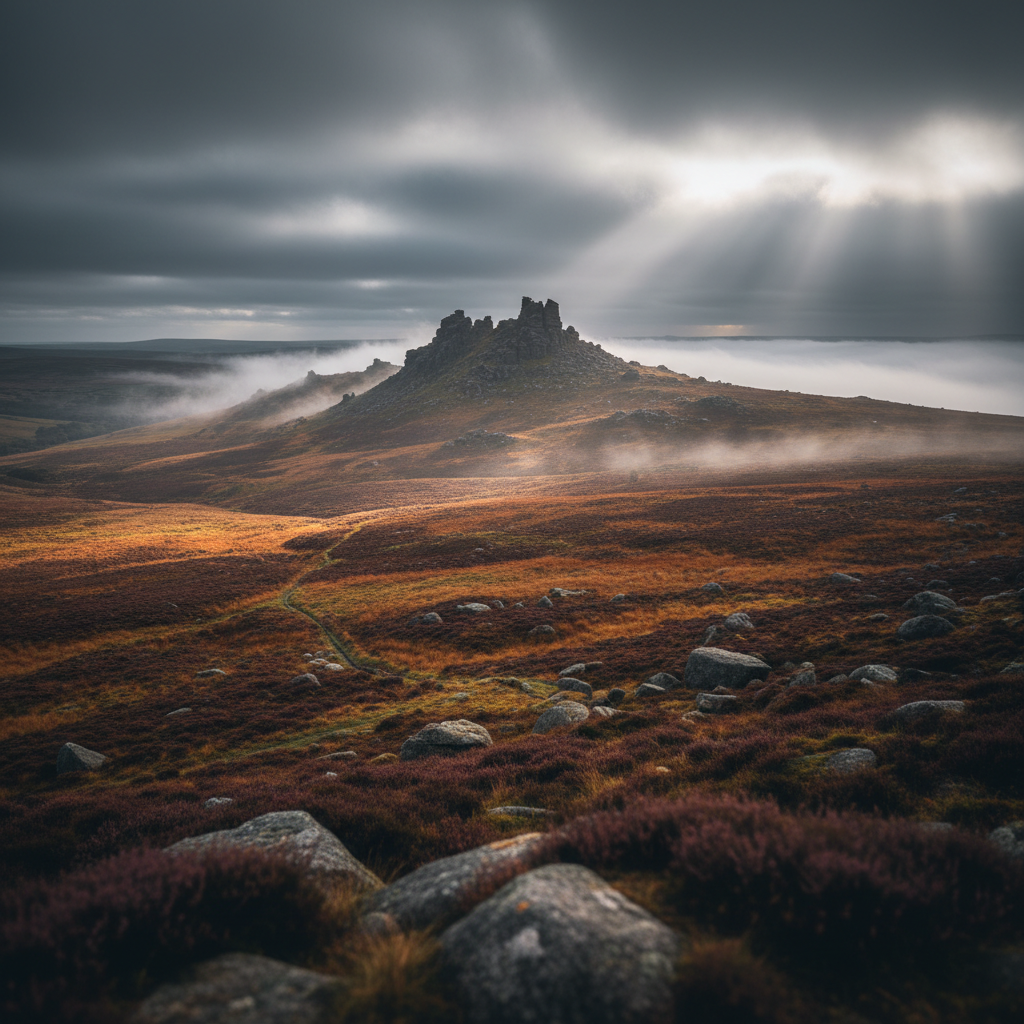
Dartmoor in the rain is Dartmoor at its most honest. The sunshine visitors never see this — they come in summer, park by the river, eat their picnic, and leave again. But the rain reveals the moor's truest character: ancient, wild, and profoundly beautiful.
I set out from Postbridge on a November morning when the cloud was so low it seemed to be resting on the tors. Within minutes the village had disappeared behind me, and I was alone on the open moor with nothing but the sound of the wind and the rain on my waterproof.
The moor does not ask you to admire it. It asks you to listen.
The Sound of the Rain
There’s a specific cadence to rain on Dartmoor; it rises and falls like a hymn, connecting the landscape in a melody that only the true enthusiasts can hear. I walked along the Two Moors Way, while streams, swollen from the downpour, babbled insistently beside me. The path was a mix of squelchy mud and exposed granite, a stark reminder of the rugged terrain below my feet. The air was cool and crisp, filled with the mossy scent of wet earth that permeated every breath.
Unlike the summer visitors who might simply trundle along the easier paths, I opted for the less-trodden routes that lead up to the towering granite Chevithorn, notorious for its sudden fogs. This ascent during the rainy months must be undertaken with caution, mindful of the shifting weather that can obscure landmarks and transform the simplest outing into a daunting trek.
The Ancient Legacy
The deep history of Dartmoor unfolds upon each step. This is a land where ancient tradesmen carved their legacy into rock, where the echoes of prehistoric man linger in the shadows of standing stones. As I passed Stone Circle at Scorhill, a place steeped in folklore, the pattering rain lent a reverent hush to the air. It was in such instances that the presence of the past felt tangible; the stones, slick with rain, seemed almost to glisten under the grey sky like watchful guardians of time.
It’s fascinating to consider the sheer scale of Dartmoor’s history. The many archaeological sites sprinkled throughout the moor tell tales of the Bronze Age and beyond, creating an intricate narrative that attracts historians and casual wanderers alike. For those interested, a detour to the lovely village of Widecombe-in-the-Moor can serve as a perfect base for further exploration. Its small, stone church and occasional café make for a welcoming refuge from the elements.
Practicalities of Dartmoor’s Allure
When planning a trip here, prepare for the unpredictability of Dartmoor's weather. The moors are infamous for their sudden downpours, so dressing in layers and donning waterproof hiking boots is advisable. A good windbreaker or waterproof jacket is essential, and I recommend carrying a sturdy map or GPS device, as visibility can drop quickly in the fog.
Parking is best done at designated areas like the Postbridge parking lot, where a few hours will cost you only a couple of pounds. However, be warned that during weekends in the summer, it can fill up quickly, emphasizing my belief that winter visits are truly the gems of Dartmoor, void of crowds and full of potential.
In the Midst of Nature
Every moment spent in the heart of Dartmoor felt like a meditation. As the rain fell, the landscape transformed before my eyes—streams took on new lives, rushing and foaming with vigor, while the gorse bushes shone vibrantly against the monochrome backdrop. In these damp and solitude-rich moments, wildlife remains active. I spotted a few Dartmoor ponies, their mane flowing against the wind, reminding me that they are as integral to the moor as the very rocks upon which they stand.
Occasionally, life bustled around a few trails, where sheep sought shelter under the boughs of gnarled oaks. Dartmoor pays respect to its own, nurturing a delicate balance between man and beast. The feeling of isolation in this natural sanctuary is profound and refreshing; it is a place where one can pause and take stock amongst the soothing sound of the rain.
The Beauty Beyond
Yet behind every storm lies a unique kind of beauty. With the clouds blanketing the sky, there emerged a softer light that cast a romantic glow over the rugged hills. Occasionally, as the rain abated, sudden rays of sun burst through the gaps in the clouds, while patches of blue peeked shyly from above. Those moments are fleeting and invaluable; they remind us of nature’s raw power and benevolence all at once. When the rain lets up, even for just a moment, the moor seems to breathe—revealing the textures and hues of the landscape.
A walk towards the iconic Haytor would make for a fine conclusion to any soggy escapade. As one of Dartmoor's most famous landmarks, it rises dramatically from the surrounding landscape. Climbing to its craggy summit from the small car park at Haytor Vale is an exhilarating experience. The ascent provides a workout, made all the more rewarding by the scent of wet stone and heather.
Reflections by the Fire
After hours of wandering, there is little better than retreating to one of Dartmoor's welcoming pubs or cozy tea rooms. The Rugglestone Inn offers a rustic charm, its warmth contrasting against the damp chill outside, while the fire crackles, inviting weary hikers to rest their legs and toast their hands. Sipping a hot cup of tea, I reflected on the unique character of Dartmoor: it thrives in its wildness, and each drop of rain serves to enhance the harsh, rugged beauty that draws outdoor enthusiasts and solitude-seekers alike.
The local cuisine, often featuring fresh produce and hearty portions, rounds off the experience beautifully. The use of local ingredients tells a story of the land; dishes range from succulent pasties to warming stews, perfect after a chilly day on the moor.
As the Clouds Shift
As the sun began to set beyond the horizon on that November day, the clouds shifted, revealing a sliver of orange. The moor, which had felt so solitary under the heavy rain, transformed into a blank canvas, beckoning me to return. Dartmoor in the rain paints a stark portrait of the relentless beauty of nature—untamed, unyielding, and undeniably captivating.
In these moments, I found appreciation not just in the landscape, but also in the experience of solitude and reflection. Dartmoor, in its most honest form, offers insights—not just of the land itself but also into the heart of every who wanders its trails and braves its storms. And as I turned to head back, a parting glance at the enduring spectres of the moors etched themselves into my memory, a vivid reminder of what truly lies beneath the initial impression of wild and rain-soaked beauty.
In Closing
There’s a distinct charm that comes with Dartmoor's rainy days, one that celebrates the raw, surreal elements of nature. My heart remains firmly ensconced within its mysteries, eager for the next descent into those tumultuous climes. With its brooding skies and rich past, Dartmoor calls to those ready to embrace a landscape that thrives, even when the sun hides away. Perfect for seekers, storytellers, and dreamers, it becomes a vessel for reflection and inspiration—no matter the weather.