The Cornwall that most people know disappears at the end of September. The car parks empty, the ice cream vans retreat, and the surf schools pack away their boards. What remains is something far more beautiful — a landscape stripped of pretence, where the Atlantic makes itself heard and the light becomes something close to art.
I have been visiting Cornwall in the off-season for fifteen years, and I am convinced that this is when the county is at its finest. The cliff paths are empty. The beaches belong to the dogs and the brave swimmers. The pubs are warm and unhurried, and the food — always good in Cornwall — reaches its peak when the kitchens are cooking for locals rather than visitors.
In winter, Cornwall stops performing and starts being itself.
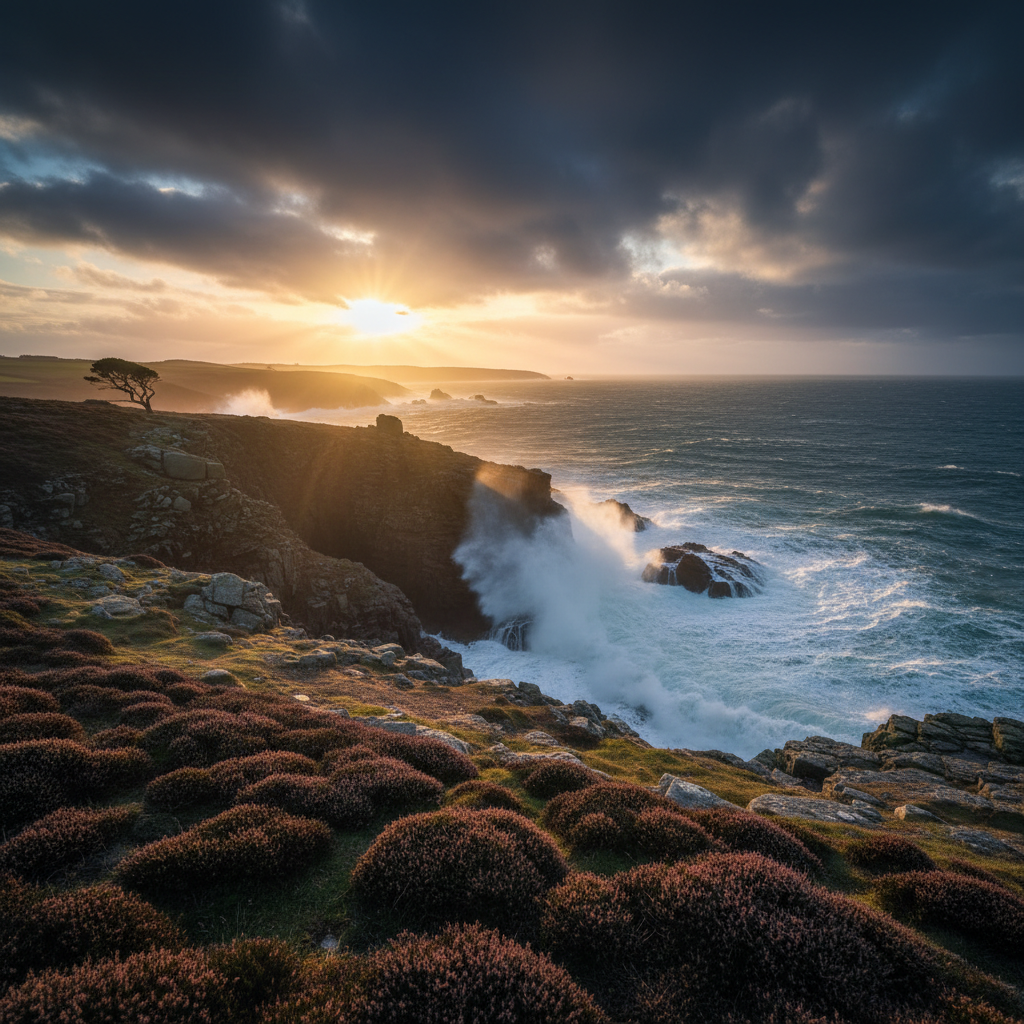
There is a particular morning I remember, standing on the clifftop above Bedruthan Steps in November. The wind was so strong it was difficult to stand, and the sea below was a fury of white and grey and deep Atlantic green. But the light — that extraordinary Cornish light that Turner chased across the county — was breaking through the clouds in great shafts that turned the headlands gold.
This is the Cornwall that painters understand. Not the postcard Cornwall of blue skies and cream teas, but the elemental Cornwall of storm and shelter, of granite and gorse, of a coastline that has been shaping itself for millions of years and shows no sign of stopping.
The Embrace of Autumn
As I continue my journey along the Cornish coast, the golden russet leaves of the trees punctuate the wild heathland, providing a warm contrast to the deep greens and slate greys of the coastal landscape. Autumn is an artist in Cornwall, draping the cliffs and moors in shades that shift with the changing light. Walking the South West Coast Path from Padstow to Harlyn Bay in late October, I find solitude that is rare in summer months. The path is well maintained but can become muddy after the rains. A sturdy pair of walking boots is advisable.
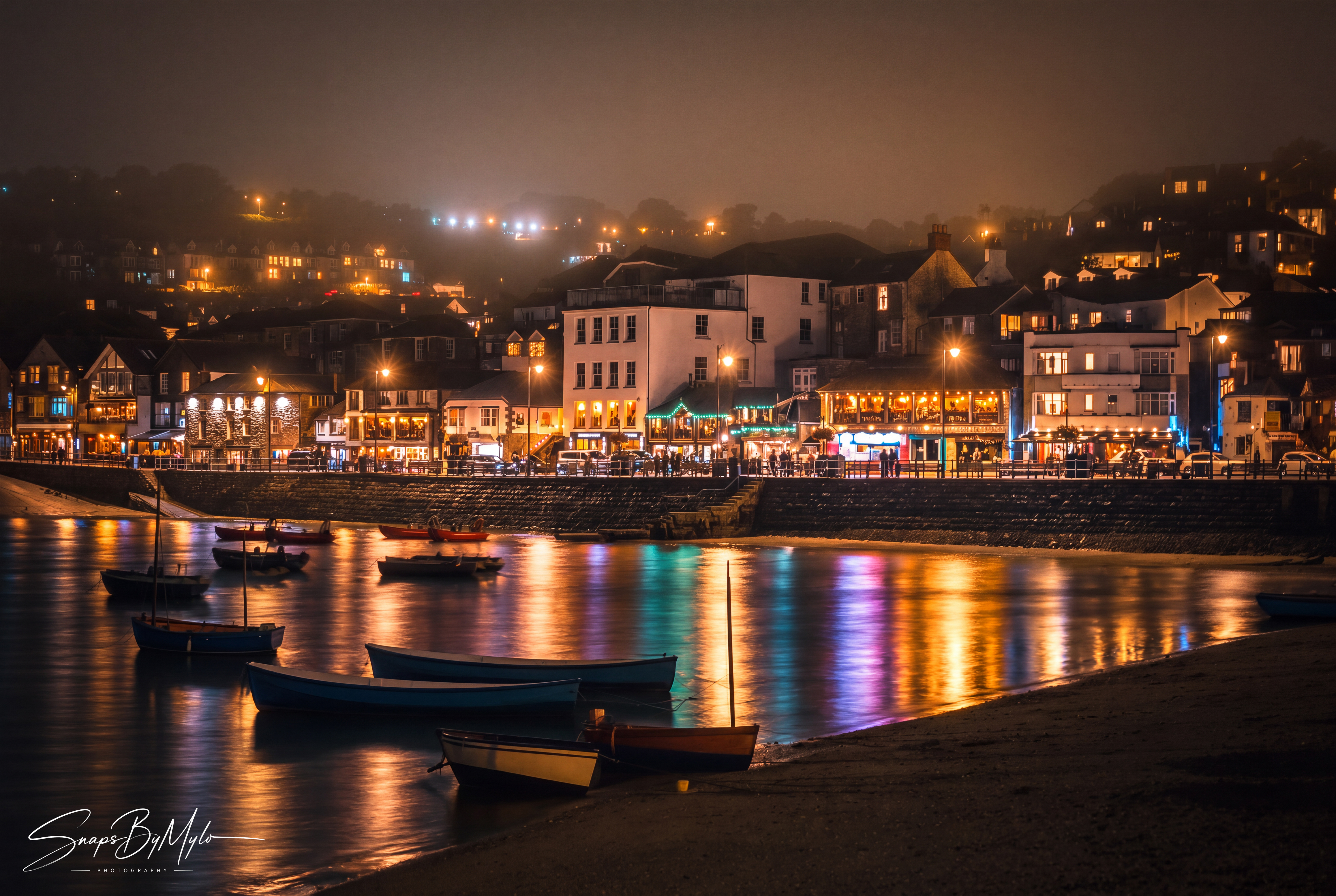
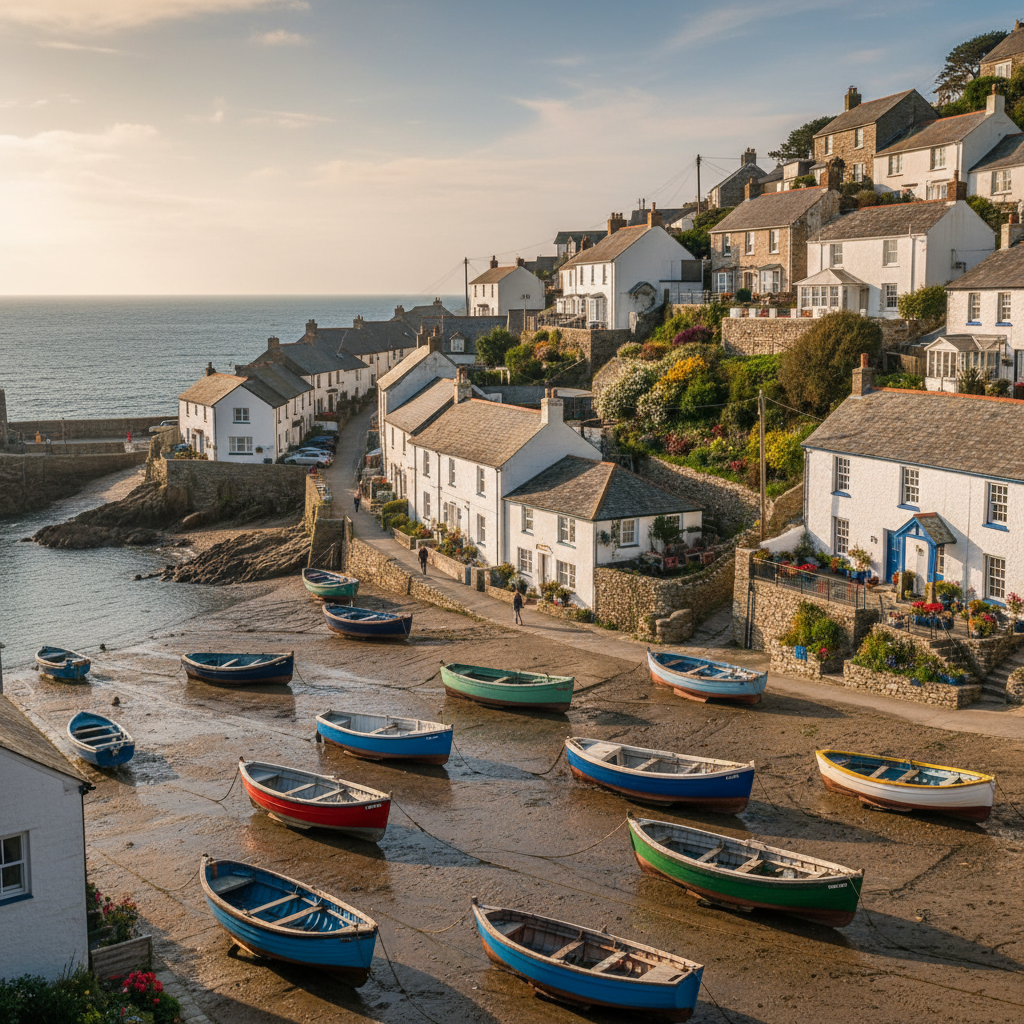
Padstow, with its picturesque harbor, might still attract a few visitors, but the thrum of tourists is only a whisper in the quieter months. I enjoy freshly baked pasties from one of the local bakeries, where the warmth of the kitchen wraps around me like a hug. In autumn, I prefer to visit early in the day when the morning mist dances over the water. There's something almost mystical about the harbor at this hour, the boats swaying gently with the rhythm of the tide.
The Spirit of Winter
As the season progresses into winter, the character of Cornwall deepens. Locals return to their routines, and the harsher winds announce the time of year when nature dominates. The temperatures may drop, but the invigorating chill only adds to the experience. The winter solstice brings with it a shiver of anticipation; the landscape feels alive in a different way, almost primal. The rough seas crashing against the rocks act as a reminder of the raw power that shapes Cornwall's coast.
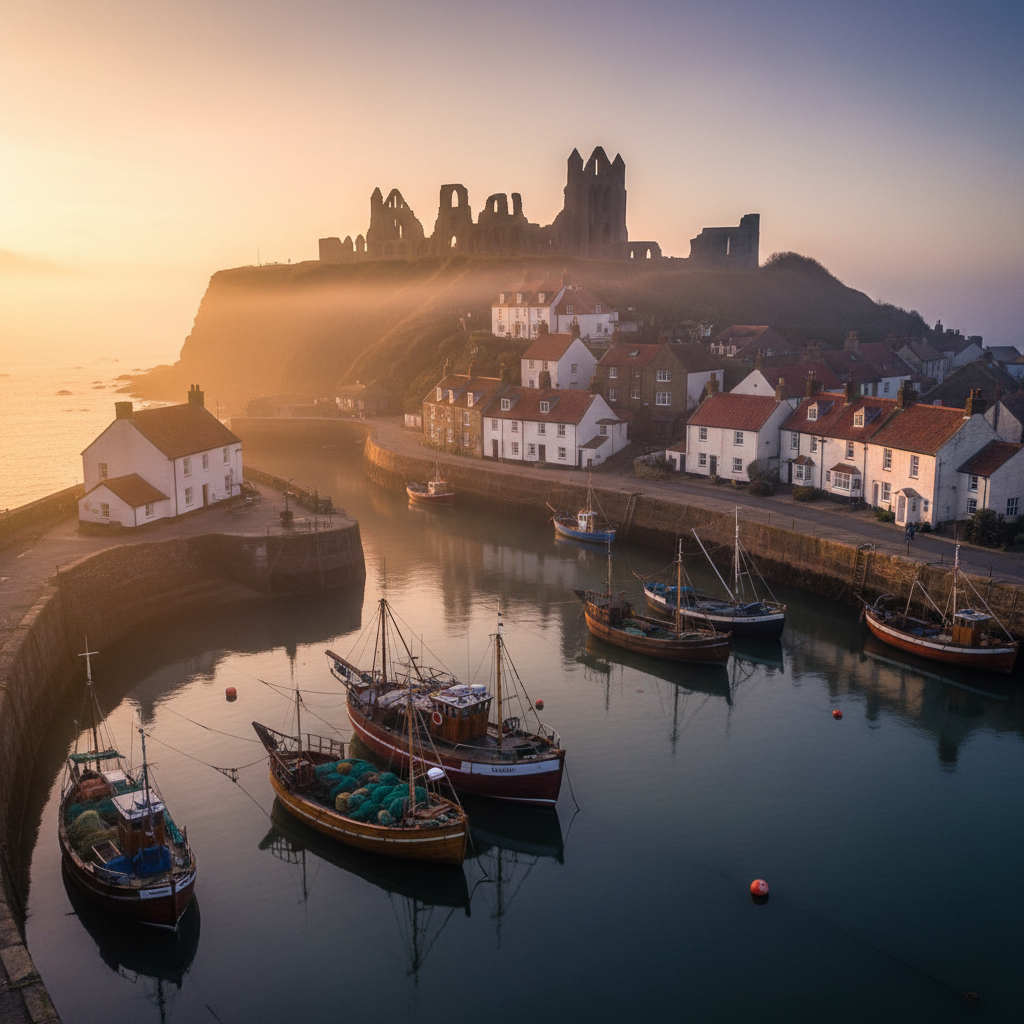
One early morning in December, I headed to Tintagel Castle, a location steeped in legend and mystery. Arriving before sunrise, there's a certain stillness in the air, punctuated only by the sound of waves breaking below. The castle ruins appear otherworldly against a canvas of grey skies, the cliffs stark and imposing. While summer sees packed car parks, in winter, I confidently parked in one of the two available lots at either end of the village—both free and underutilized.
Winter Walks and Local Feasts
Walking the coast towards the nearby village of Boscastle, I am greeted by the vibrant, rolling hills that seem more pronounced than during the lushness of summer. The scent of woodsmoke hangs in the air, inviting as I spot locals enjoying a seasonal menu at the Napoleon Inn back in Tintagel. It's here that I try the local ale paired with hearty stew, a simple, satisfying meal that perfectly encapsulates the ambiance of a chilly Cornish winter evening.
Spring Awakening
As we wander towards spring, Cornwall begins to stir once more. The first hints of bud burst into life, and the landscape becomes a palette of hopeful greens. By March, the first daffodils begin to bloom around the coastal paths, and I often find myself revisiting Bedruthan Steps. The dramatic rock formations stand stoic against the crashing waves; the sight of them always seems to evoke a sense of awe, especially under the brightening sun.
The trails here can be quite steep in places, but during the shoulder seasons, they are manageable and less busy—perfect for a reflective walk. I'd advise packing a light rain jacket, as spring weather is notoriously fickle. While it may appear sunny, a sudden shower can sweep across the cliffs with little warning.
A Bounty from the Sea
During my spring excursions, the local eateries begin to change their menus, incorporating the catch of the day from an industrious fleet of fishermen who still work out of ports like Newlyn and St. Ives. In the quieter months, chefs are able to focus on crafting seasonal menus that highlight local produce.
It's in the quiet months when the heart of Cornwall beats strongest.
A Cornish Perspective
For anyone considering a visit, my advice is to embrace the slower pace. Once summer ends, it is not just the tourism that dissipates, but the frantic rhythm of life. I've learned to see the beauty in imperfection — perhaps a misty day where the slate grey skies blend into the churning sea, or a brisk evening walk that requires an extra layer against the crisp wind. These moments imbue the experience with a sense of authenticity that can often be lost in the summer rush.
Each season, and each moment I spend in this coastal haven, seems to encapsulate the wild spirit of Cornwall. It unravels its stories slowly, intentionally, inviting each visitor to linger a while longer. And as I plan my next trip back, deep into the heart of winter, I am filled with a sense of anticipation. This unscripted side of Cornwall, where nature reigns, is waiting, ready to share its truths, unfiltered and raw.